
In an “A.I.-hungry” world, it’s easy to fall into the trap of believing that we need to be more productive and more efficient than ever before in order to keep up. The reality is that we cannot outpace artificial intelligence, and nor should we want to try.
Right now, we have a powerful opportunity to lean into our humanness. This is about leveraging what it means to be human, and using that awareness to shape the way we work, lead and interact. How can we keep this firmly front of mind?
This week, guest writer and Calmer partner Abigail Ireland returns with her second article, to share her perspective and tips on how leaders can role model bringing the whole human to work.
What does bringing the “whole human” to work mean?
In practical terms, bringing the “whole human” to work means recognising that every aspect of who you are comes to work with you in some way, shape or form.
Your cognitive state, emotions, physiological condition and behaviours all influence who you are and how you are perceived - as well as your performance.
You bring your thoughts, emotions, habits and energy levels into every meeting, interaction and decision - consciously or not.
Why now is the time for leaders to role model “humanness”
From a leadership perspective, it’s even more important to focus on the human elements if you want to get the best from your people during these evolving and complex times.
Most people are navigating relentless change, high workloads, digital adaptation and blurred boundaries between work and home life. Therefore, you have both an opportunity and a responsibility to role model ‘humanness”, encouraging openness and honesty so you can support your people in the best way possible.
When leaders take time to truly understand their teams, they can better support mental health whilst driving stronger engagement and productivity. You also have the ability to design (or at least influence) a workplace culture that protects energy, recovery and natural limits.
Work simply becomes easier when the mind is clear, energy is strong and individuals feel safe in the knowledge that the people around them are supportive and have their best interests at heart. Resilience develops, decision-making improves and the ability to handle challenging situations grows stronger. You can focus more deliberately and effortlessly on the task at hand, without getting weighed down by aches and pains, worries or exhaustion.
In contrast, treating your people like machines can exacerbate sleep issues, stress levels, emotional strain, and cognitive load. Even the simplest tasks can feel like a chore, performance declines, mistakes are made, and absenteeism goes up. Ultimately, burnout could be on the radar. By acknowledging each unique individual under your leadership, you are demonstrating that you value and ‘see’ them as much more than interchangeable resources.
The link between health and productivity
Unfortunately, many business leaders view employee health as a ‘nice to have’, and this is to their detriment. The reality is that this is more than just HR or wellbeing hype. It is a critical success driver and integral part of high-impact leadership that affects concentration, decision-making, emotional regulation, engagement and collaboration.
People thrive when they genuinely feel valued, respected and understood as individuals - especially at a time when artificial intelligence is playing an increasingly significant role in the workplace.
There are many ways to build a resilient workforce, and the best leaders will stand out when they take a human-centred approach rather than treating their people like interchangeable resources. This approach will simultaneously drive higher performance and more sustainable business outcomes.
In Formula One, a huge amount of effort and attention is directed towards optimising every detail that impacts performance - from tyre pressure and aerodynamics through to pit stop speed. It makes sense that businesses take the same care with their most valuable asset - their people.
The win-win scenario should be highlighted here. When employees have the ability to flourish, this translates into a more focused, productive and energised workforce that can perform at a higher level. The most important message to take away is that encouraging mental and physical health at work is not about lowering expectations, but actually creating optimal conditions to meet and even exceed these expectations.
5 ways to inspire healthy humans at work
Here are a few practical ways in which leaders can amplify the focus on health:
Create space for open discussion and normalise conversations in which people can share challenges and seek support early if needed.
Review priorities and expectations regularly and dynamically, focusing on realistic workloads that don’t generate unnecessary pressure and complexity.
Role model and encourage breaks, movement and recovery as a normal part of everyday working life.
Walk the talk by sticking to your own boundaries and supportive habits.
Prioritise strong connections, community and support networks so people feel valued, motivated and a sense of belonging.
Why this approach can benefit everyone involved
By genuinely promoting a culture where people can bring the “whole human” to work, leaders can support stronger mental and physiological health.
In turn, this maximises the conditions for sustainable high performance, satisfied workers and ultimately, stronger professional results.
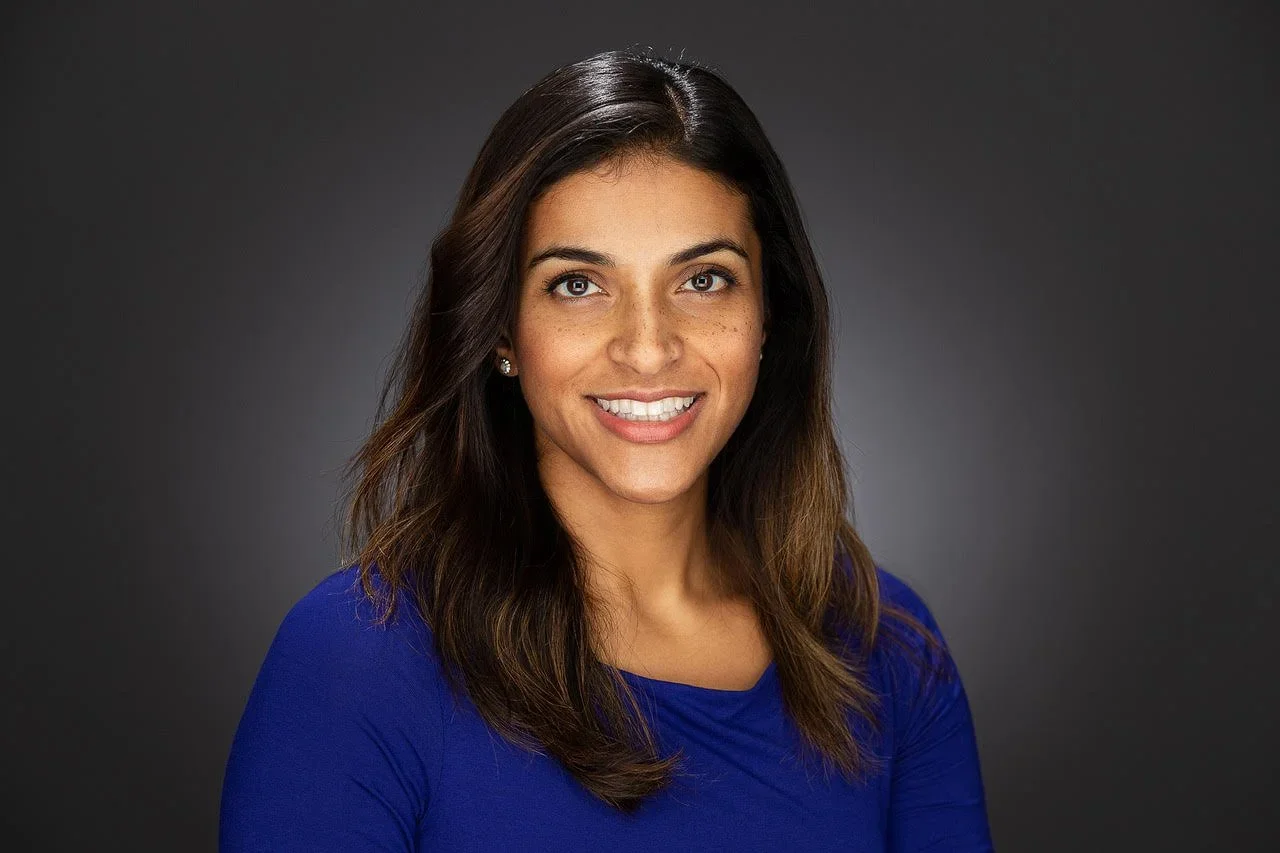
Abigail Ireland is an international Peak Performance Strategist who combines human performance, mindset and personal effectiveness strategies to enable ambitious executives and teams to uplevel and achieve excellence on a sustainable basis.